

 Image 1 of 1
Healing the Heart
Healing the Heart
Some wounds begin in the very relationships where we first expected to feel safe, loved, protected, and known. When those needs go unmet, the effects can follow us into adulthood—shaping how we see ourselves, relate to others, respond to conflict, and even experience our relationship with God.
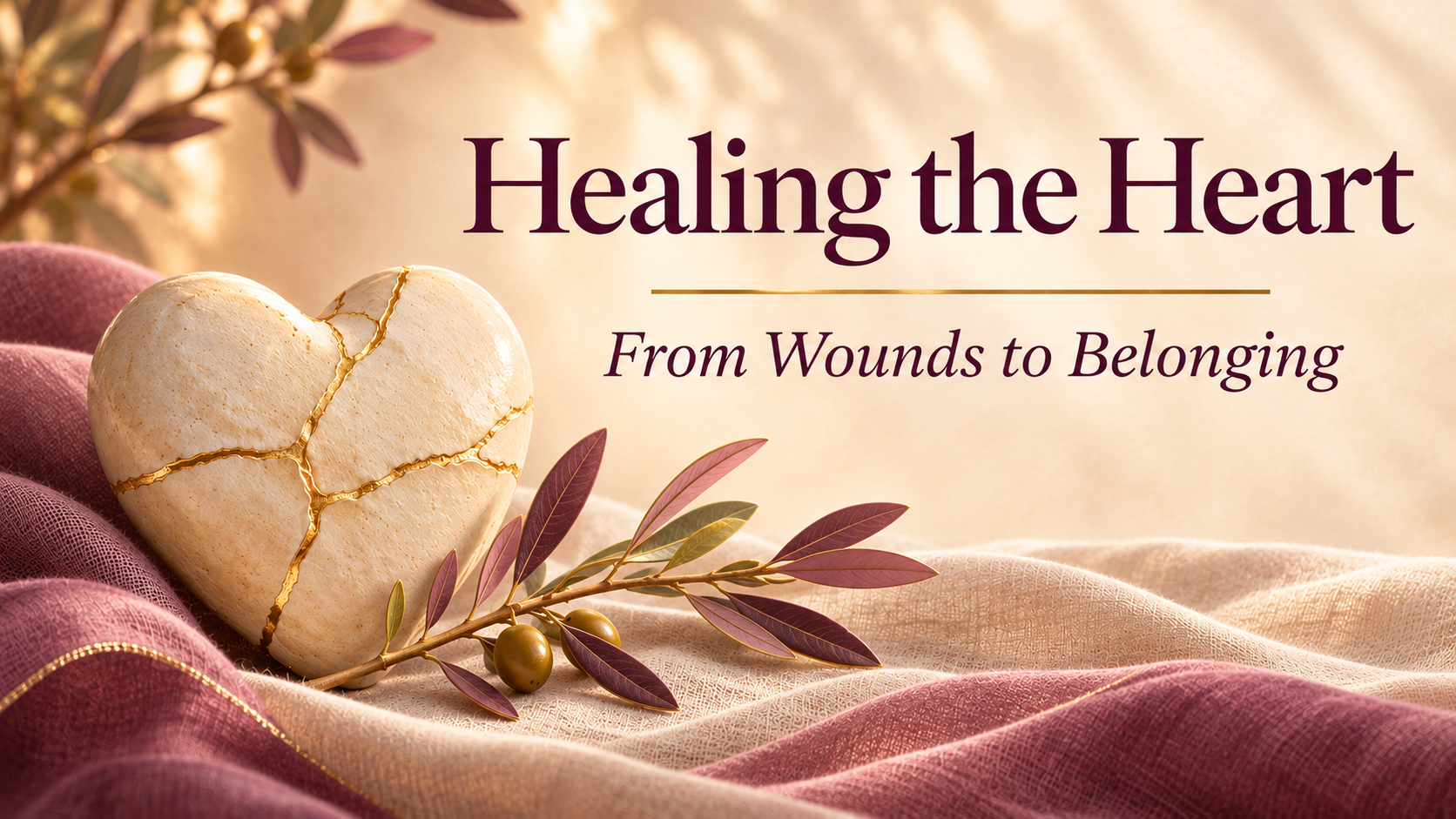
Healing the Heart is an intensive focused on understanding and working through parental wounds, abandonment, rejection, and what is often described in Christian ministry as the orphan heart: a pattern of feeling alone, unwanted, or compelled to earn love and belonging.
Through biblical teaching, psychologically informed education, guided reflection, prayer, and practical exercises, we will explore how these wounds develop and begin practicing healthier ways of relating to ourselves, others, and God.
“He heals the brokenhearted and binds up their wounds.”
Psalm 147:3
The Heart Behind This Intensive
From Parental Wounds to Belonging, Identity & Wholeness. A Biblical and Psychologically Informed Intensive
With Pastor Evelyn Mutebi
A person can love God, serve faithfully, and appear strong while still carrying the pain of feeling unseen, unprotected, or unwanted. That pain may surface through people-pleasing, perfectionism, emotional withdrawal, fear of abandonment, or feeling responsible for everyone else’s well-being.
This intensive offers a compassionate space to recognize those patterns and explore the needs beneath them. We will honor the complexity of family relationships, acknowledge what was painful or missing, and consider how to move forward with truth, grief, forgiveness, and healthy boundaries.
The goal is to help you understand your story with greater compassion and take meaningful steps toward healing, connection, and a more secure sense of belonging.
What We Will Explore
Understanding parental wounds
Explore the effects of emotional unavailability, neglect, harsh criticism, control, inconsistent affection, and unmet needs for protection or nurture. We will also consider parentification—when a child takes on emotional or practical responsibilities beyond their developmental capacity.
Recognizing abandonment and rejection patterns
Identify how past experiences may influence present relationships, including fear of being left, difficulty trusting, overgiving, withdrawing, or interpreting disagreement as rejection.
Understanding the orphan heart
Examine the inner experience of “I am on my own,” “I must earn my place,” or “My needs are a burden.” We will use orphan heart as a spiritual metaphor, rather than a clinical diagnosis, and explore the biblical themes of adoption, belonging, and the Father’s love.
Separating identity from painful experiences
Recognize conclusions formed through hurt, such as “I am unwanted,” “I am too much,” or “I am only valuable when I am useful.” Through Scripture and reflective exercises, we will begin developing a more compassionate and truthful understanding of ourselves.
Understanding triggers and protective responses
Learn how reminders of earlier pain can activate strong emotional and physical reactions. Practice simple grounding, pausing, and emotional awareness skills to create more room for thoughtful responses.
Making space for grief
Acknowledge what happened, what was missing, and what you hoped your family relationships would become. Explore how grief can be part of healing, even when parents are still living or relationships remain complicated.
Forgiveness, release, and healthy boundaries
Consider forgiveness without minimizing harm or rushing the process. Clarify the differences between forgiveness, reconciliation, trust, and access—and explore boundaries that support safety, dignity, and responsible relationships.
Revisiting your story with compassion
Use narrative-informed exercises to distinguish what happened to you from who you are. Identify your strengths, the ways you learned to survive, and the choices available to you now.
Receiving and practicing belonging
Reflect on how experiences with earthly caregivers may influence your expectations of God. Explore biblical identity, spiritual adoption, and the gradual practice of receiving care within trustworthy relationships.
Who This Intensive Is For
This intensive is for adults who recognize the lasting effects of painful family experiences and want to understand their hearts more deeply and heal.
It may be especially meaningful if you:
Feel responsible for keeping others happy or preventing their disappointment.
Struggle to believe you are loved apart from what you do or give.
Fear rejection when you express a need or establish a boundary.
Long for closeness but find it difficult to trust or receive care.
Carry grief, anger, shame, or confusion about a parent or caregiver.
Feel spiritually alone or fear that God’s love depends on your performance.
Want practical tools to begin changing familiar relationship patterns.
You do not need to have every part of your story figured out to participate.
What the Day Will Include
The day will combine teaching with guided journaling, personal reflection, practical skill-building, and opportunities for prayer. Biblical insights and prayerful encouragement will invite participants to consider God’s care and their identity in Christ.
Personal disclosure and prayer are voluntary; no one will be required to recount painful experiences publicly.
What You Can Take With You
You will leave with language to better understand your experiences, tools for responding to emotional triggers, guidance for setting boundaries, and reflection exercises to continue beyond the intensive.
Healing unfolds over time. This day is meant to support that journey and help you identify meaningful next steps, including ongoing counseling, pastoral care, or supportive community, as needed.
Event Details
Date: April (Saturday)
Time: 9:30am-3:30pm
Location: To be announced
Cost and registration: Coming soon
This intensive provides education and spiritual support. It is not group psychotherapy or a substitute for individualized mental health care.
Pastor Evelyn Mutebi
Wellspring of Life
Enrich. Equip. Empower.